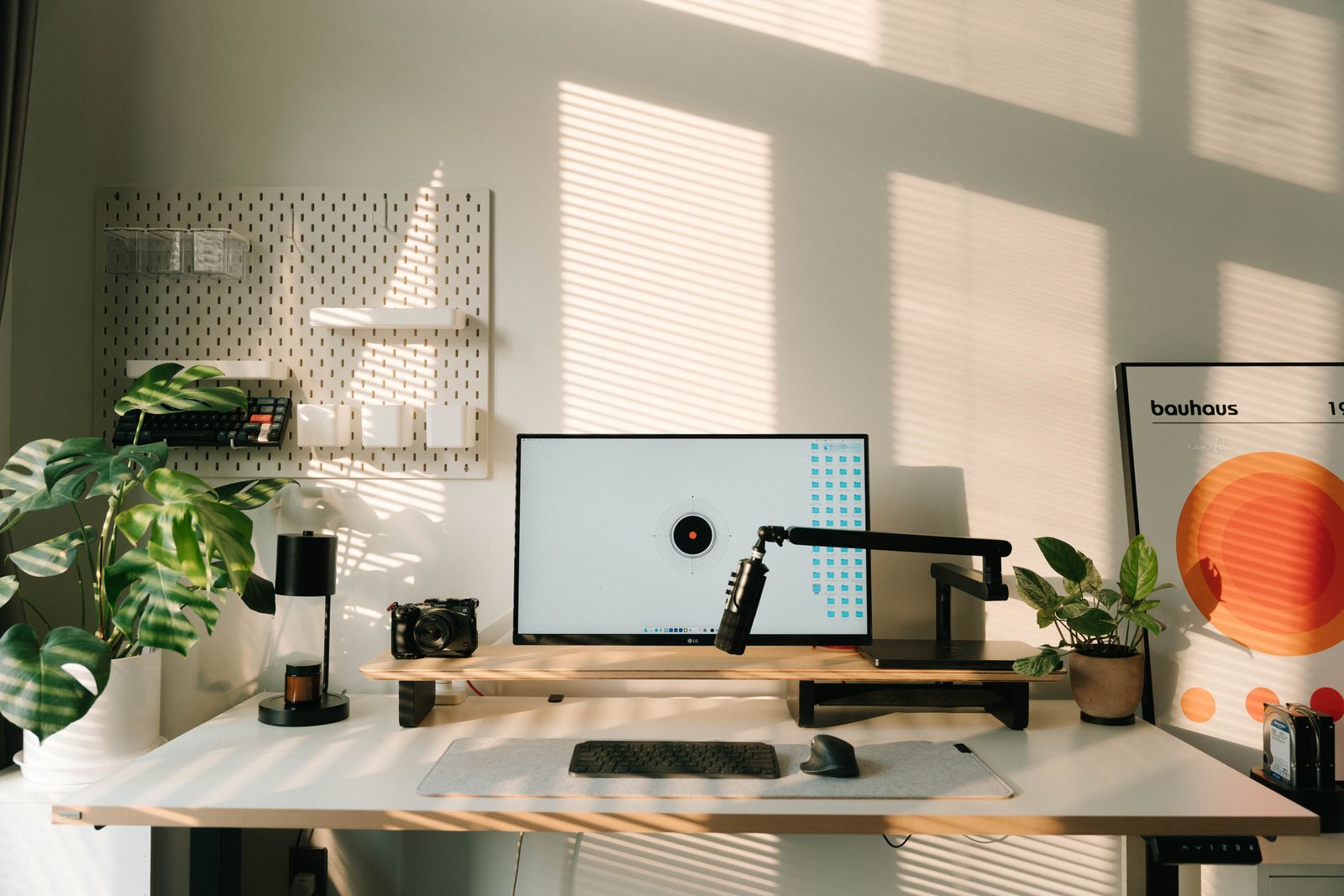
Not every Sri Lankan business can afford a 10,000 sq ft floor plate. Many of the country's most exciting startups, professional services firms, and satellite offices operate in 1,500–3,000 sq ft footprints. The challenge: make a small space feel premium, functional, and on-brand.
At Mosaic Turnkey Interiors, the team regularly delivers compact offices that look and feel twice their size. Here's how.
Small offices have hidden advantages: lower fit-out cost with the same design ambition, faster build time (6–10 weeks vs 12–16 for large offices), easier maintenance, and stronger team cohesion. The key is right-sizing your design intent, not copying a 10,000 sq ft layout into 1,500 sq ft.
1. Use Glass, Not Drywall
Glass partitions preserve daylight flow and create visual spaciousness. Your 1,500 sq ft suddenly feels like 2,000.
2. Design Vertical, Not Horizontal
When floor space is tight, go up. Tall storage walls, floor-to-ceiling joinery, mezzanines (where structurally possible). Bespoke joinery is the secret weapon here.
3. Light Colours, Layered Textures
Pure white feels sterile. Off-whites, light greys, and warm beiges feel premium. Add texture through timber, fabric panels, and feature walls.
4. Pocket Doors, Not Swing Doors
Every swing door wastes a square metre of usable space. Sliding or pocket doors reclaim it.
5. Modular, Mobile Furniture
Furniture on castors, foldaway desks, nesting tables: small offices need flexibility above all else.
6. A Reception That Punches
In a small office, the reception sets the tone for the entire space. Make it count. Mosaic's reception projects show how a small lobby can feel like a flagship.
7. Acoustic Discipline
Noise compounds faster in small spaces. Acoustic panels, carpet tiles, and quiet zones become essential, not optional.
8. Clever Pantry Placement
In a compact office, the pantry becomes the social heart. Place it centrally so it serves as a collaboration zone, not a back-corner afterthought.
9. Hidden Tech
Cable management, integrated AV, wireless charging: when technology disappears into the joinery, the space feels cleaner and more premium.
The Compact Office Paradox
Small offices can feel either cramped and cheap or intimate and premium. The difference is design discipline. A compact office also has hidden advantages: lower fit-out cost with the same design ambition, faster to build (typically 6–10 weeks vs. 12–16 for large offices), easier to maintain, and stronger team cohesion, literally closer together.
The trick is right-sizing the design ambition, not copying a 10,000 sq ft layout into 1,500 sq ft.